Discover Paseo San Miguel
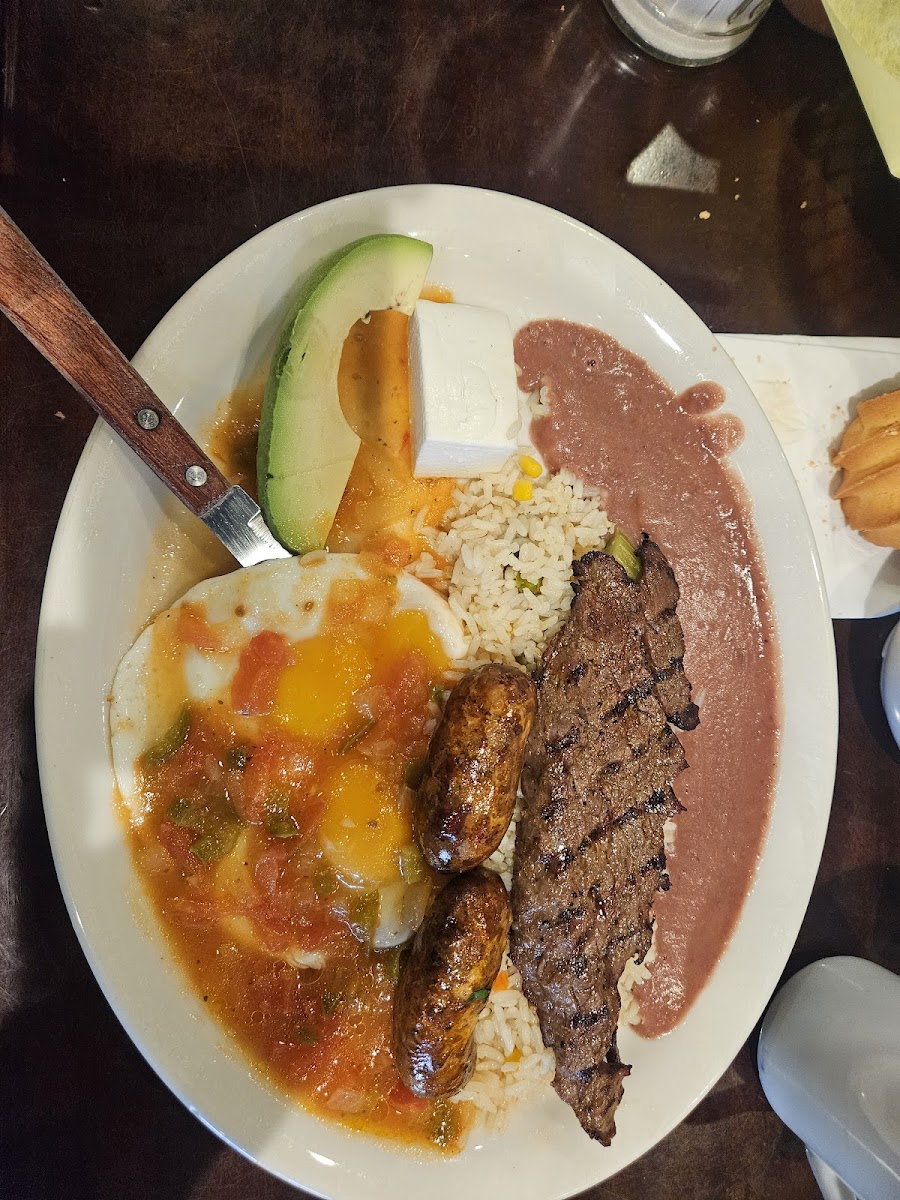
The menu leans heavily into traditional Mexican diner classics, with tacos, burritos, enchiladas, and breakfast plates that feel made for regulars rather than tourists. One of the servers explained how many of the recipes are based on family cooking methods, especially the slow-simmered meats. Watching the kitchen during a busy lunch rush, it’s clear there’s a system in place: meats are prepped early in the day, salsas are made in batches, and orders move fast without feeling rushed. That kind of consistency matters, especially when studies from the National Restaurant Association show that repeat customers value reliability over novelty nearly 70% of the time.
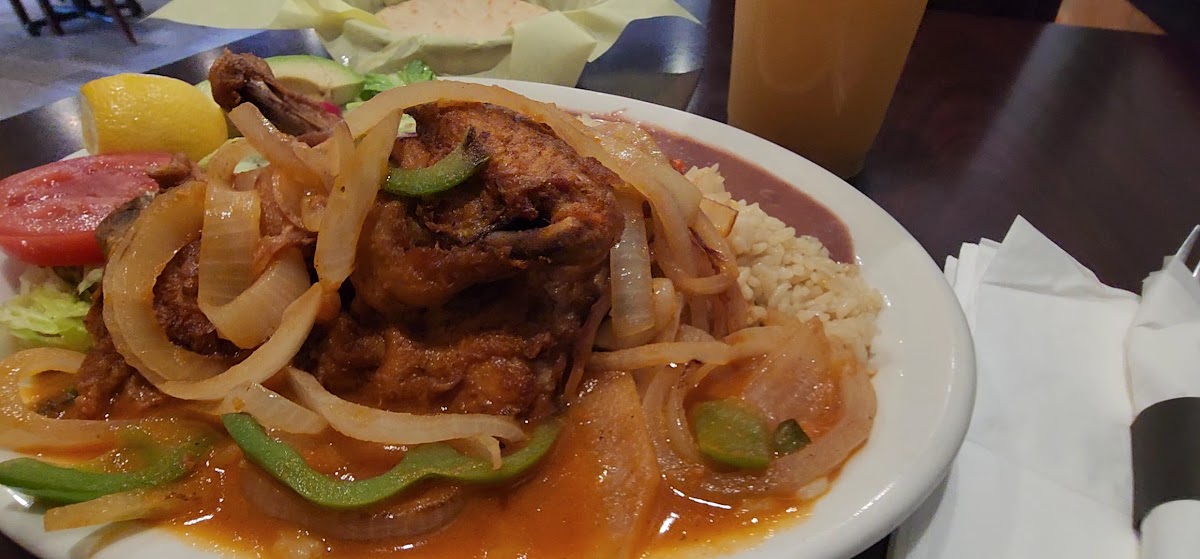
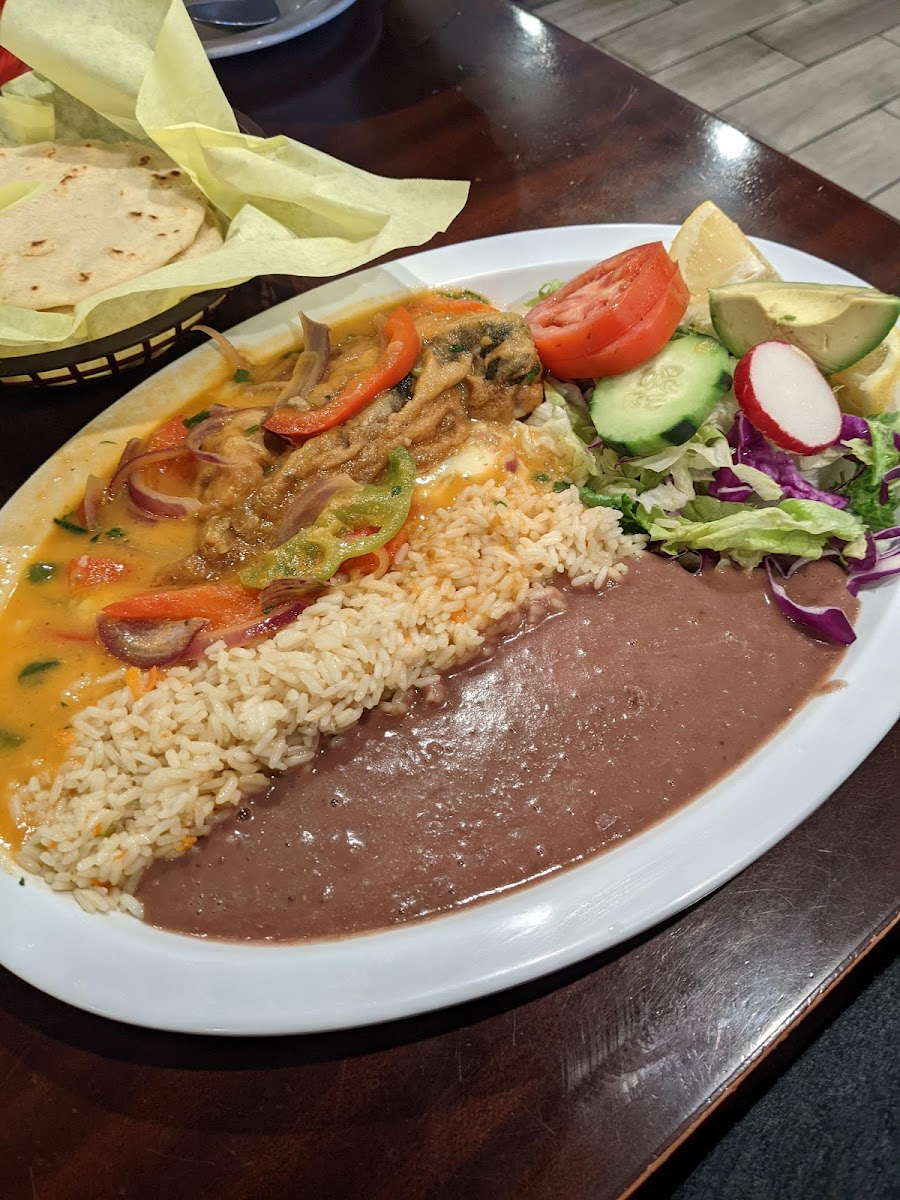
On my second visit, I ordered the chile verde plate after reading multiple reviews praising its depth of flavor. The pork was tender, the sauce balanced heat and acidity, and it tasted like something that had been perfected over years, not rushed together. A regular at the next table mentioned he drives in weekly because the breakfast burritos are always filling and never greasy, which says a lot in a city full of breakfast options. That kind of word-of-mouth reputation aligns with what food critics often point out: diners that thrive long-term usually do so by mastering a small range of dishes rather than constantly reinventing themselves.
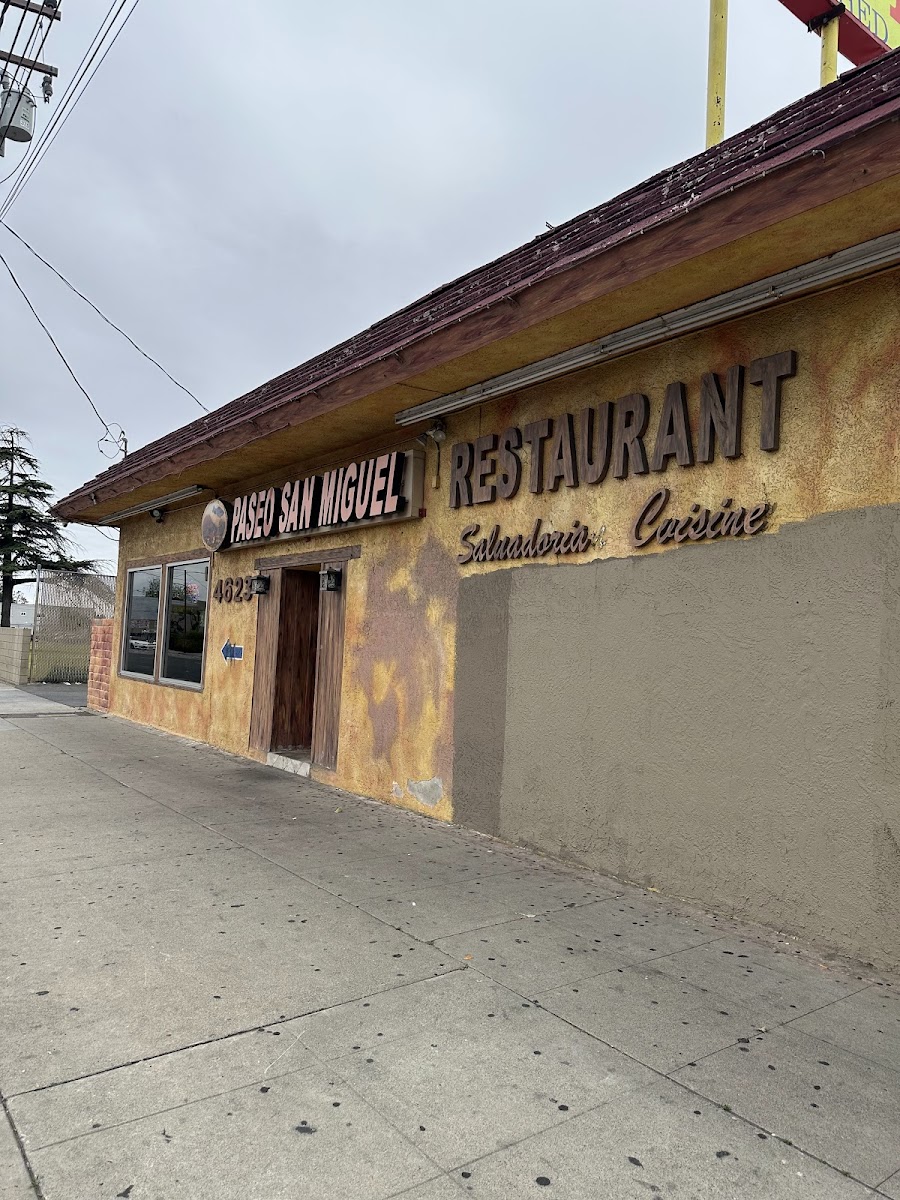
The location itself is convenient, sitting right off Rosemead Boulevard with easy parking, which makes it a practical choice for quick meals or casual sit-down dinners. While it may not have multiple locations yet, locals often talk about it as if it’s a neighborhood institution. Online reviews frequently mention consistent quality over the years, which adds credibility in an era where many restaurants struggle to maintain standards.
There are a few limitations worth noting. During peak hours, especially weekend mornings, wait times can stretch longer than expected because the space isn’t huge. Also, the menu doesn’t cater much to trendy dietary preferences, so vegan or gluten-free options are limited. That said, what they offer, they execute well, and that focus seems intentional rather than accidental.
From a professional standpoint, having consulted with small food businesses before, I recognize the operational discipline here. Keeping a tight menu, training staff on repeatable processes, and prioritizing local feedback over online hype are proven methods for sustaining a diner-style restaurant. Organizations like the James Beard Foundation often emphasize that culinary excellence isn’t always about innovation; it’s about respect for ingredients and community, both of which are evident here.